Field note
Unlocking the Weight Loss Potential of Ashwagandha: Benefits and Insights
Discover how ashwagandha can aid weight loss by reducing stress and regulating cortisol levels. Explore its benefits and usage tips.
Ashwagandha, scientifically known as Withania somnifera, is a revered herb in the realm of Ayurvedic medicine, often referred to as the "king of herbs" due to its extensive health benefits. This adaptogenic plant has been utilized for over 3,000 years, primarily in India, to enhance vitality and promote overall well-being. Its name translates to "smell of the horse," which reflects both its unique aroma and the traditional belief that it imparts the strength and vigor of a stallion. The significance of ashwagandha in Ayurvedic practices cannot be overstated. It is considered a cornerstone of holistic health, used to balance the body's systems and combat various ailments.
Historically, ashwagandha has been employed to improve energy levels, reduce stress, and enhance cognitive function. Its adaptogenic properties help the body adapt to stressors, making it a valuable ally in today’s fast-paced world. In recent years, modern science has begun to validate many of these ancient claims, uncovering a wealth of ashwagandha benefits that extend beyond traditional uses. Research indicates that this powerful herb may play a crucial role in weight management by regulating cortisol levels and reducing stress-related eating behaviors. As we delve deeper into the multifaceted advantages of ashwagandha, it becomes clear that this ancient herb holds significant promise for those seeking to improve their health and achieve their weight loss goals.
The Science Behind Ashwagandha and Weight Loss
Ashwagandha, a revered herb in Ayurvedic medicine, has garnered attention for its potential role in weight management, particularly through its effects on cortisol levels.Understanding the science behind ashwagandha and its impact on weight loss requires a closer look at how stress and cortisol interact with our bodies.
Cortisol: The Stress Hormone
Cortisol is often referred to as the "stress hormone" because it is released in response to stress. While it plays a crucial role in various bodily functions, including metabolism and immune response, chronic elevation of cortisol can lead to several health issues, including weight gain. When cortisol levels remain high, it can trigger increased appetite and cravings for high-calorie foods, leading to unhealthy eating patterns.
Ashwagandha's Role in Cortisol Regulation
Research indicates that ashwagandha may help lower cortisol levels, thereby mitigating the adverse effects of chronic stress. A pivotal study published in the Indian Journal of Psychological Medicine in 2012 demonstrated that participants who consumed ashwagandha extract experienced a significant reduction in cortisol levels compared to those who received a placebo.
This finding suggests that ashwagandha could be an effective natural remedy for managing stress and its associated weight gain.
Key Studies Supporting Ashwagandha's Weight Loss Benefits
- 2017 Study: A randomized controlled trial published in the Journal of Evidence-Based Complementary & Alternative Medicine found that individuals taking ashwagandha supplements not only reported lower stress levels but also experienced a reduction in body weight and body mass index (BMI) over eight weeks.
- 2019 Research: Another study highlighted in the Journal of Clinical Psychology examined the effects of ashwagandha on emotional eating. Participants who took ashwagandha showed a decrease in emotional eating behaviors, which can be a significant factor in weight management.
How Ashwagandha Aids Weight Loss
The mechanisms through which ashwagandha aids weight loss extend beyond cortisol regulation. By promoting better sleep quality and reducing anxiety, ashwagandha can help create an environment conducive to healthy weight management. Quality sleep is essential for metabolic health, and improved sleep patterns can lead to better decision-making regarding food choices and physical activity. In summary, the scientific evidence supporting the benefits of ashwagandha for weight loss is compelling.
By addressing cortisol levels and promoting overall well-being, this adaptogenic herb may serve as a valuable ally in the journey toward effective weight management.
How Ashwagandha Affects Cortisol Levels
Cortisol, often referred to as the "stress hormone," plays a crucial role in the body’s response to stress. It is produced by the adrenal glands and is essential for various bodily functions, including regulating metabolism, controlling blood sugar levels, and managing inflammation. However, when cortisol levels remain elevated due to chronic stress, it can lead to a range of health issues, including weight gain. One of the primary ways that high cortisol levels contribute to weight gain is through their impact on appetite and cravings. Elevated cortisol can increase hunger and lead to cravings for high-calorie, sugary foods.This phenomenon is often referred to as "emotional eating," where individuals turn to food for comfort during stressful times. Additionally, high cortisol levels can promote fat storage, particularly in the abdominal area, which is associated with a higher risk of metabolic diseases. This is where ashwagandha comes into play. Research has indicated that ashwagandha may help regulate cortisol levels in the body. By acting as an adaptogen, ashwagandha helps the body adapt to stress and promotes a sense of calm.
A study published in the journal Indian Journal of Psychological Medicine found that participants who took ashwagandha supplements experienced a significant reduction in cortisol levels compared to those who received a placebo. This reduction in cortisol not only helps mitigate the negative effects of stress but may also assist in weight management. Furthermore, by lowering cortisol levels, ashwagandha may help improve sleep quality. Poor sleep is another factor that can exacerbate stress and lead to weight gain. When individuals do not get enough restorative sleep, their bodies produce more cortisol, creating a vicious cycle that can be difficult to break. Incorporating ashwagandha into your wellness routine could be a strategic move if you are struggling with stress-related weight gain.
However, it’s important to remember that while ashwagandha can support healthy cortisol levels, it should be part of a comprehensive approach that includes a balanced diet and regular physical activity. In summary, understanding the relationship between cortisol and weight management is essential for anyone looking to lose weight effectively. By potentially reducing cortisol levels through the use of ashwagandha, individuals may find it easier to manage their weight and improve their overall health.
Incorporating Ashwagandha into Your Weight Loss Journey
Incorporating ashwagandha into your weight loss journey can be a transformative experience, especially when combined with a balanced diet and regular exercise. Understanding how to effectively use this powerful herb is crucial for maximizing its benefits.How to Use Ashwagandha for Weight Loss
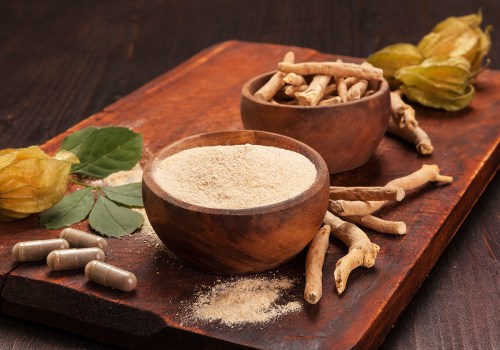
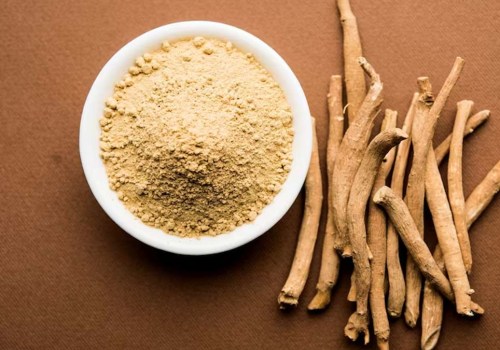
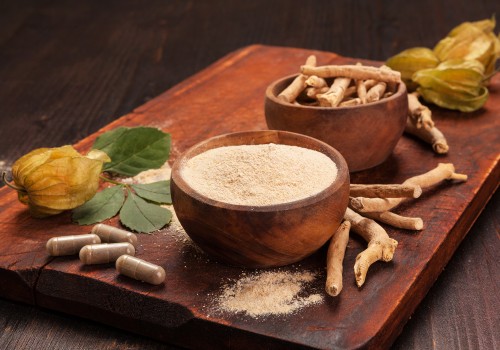
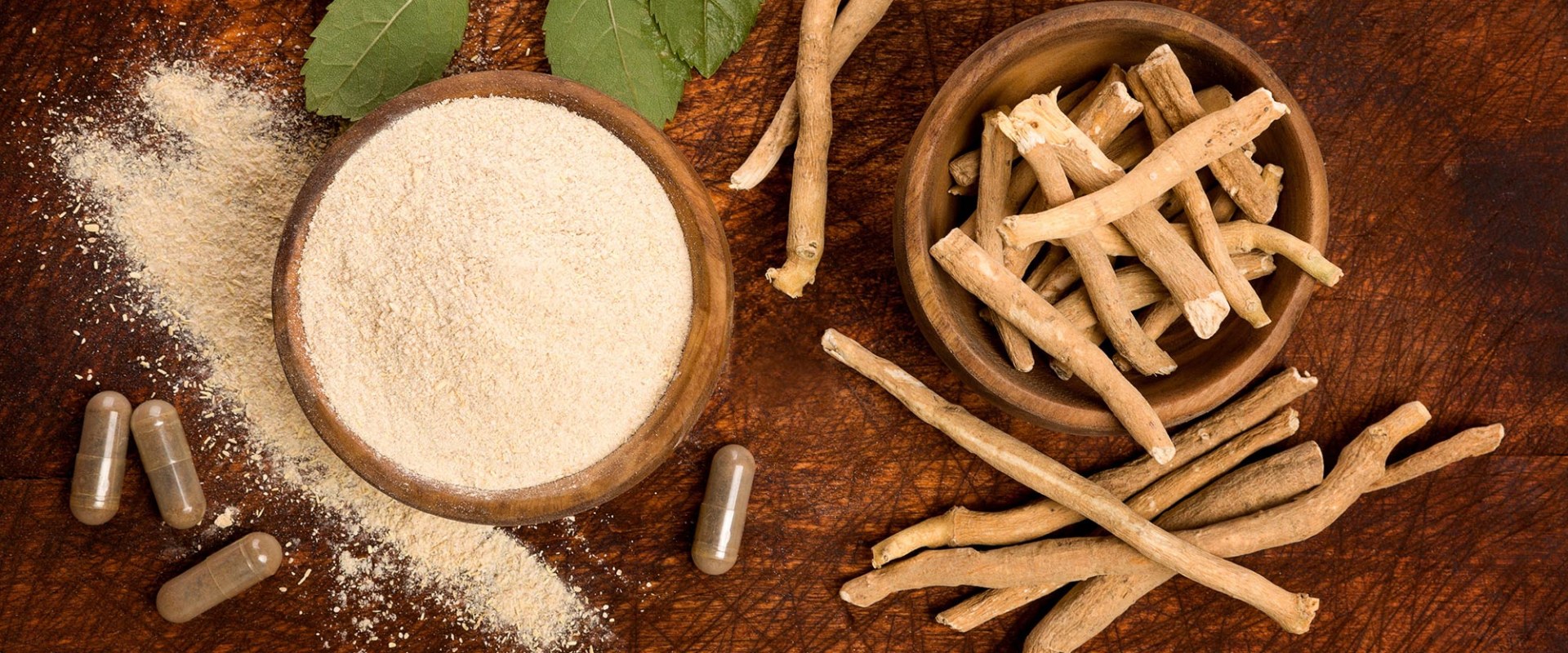
Ashwagandha is available in various forms, including powders, capsules, and tinctures. Each form has its own advantages, and the choice largely depends on personal preference:- Powder: Ashwagandha powder can be mixed into smoothies, oatmeal, or warm milk.
This method allows for easy incorporation into your daily routine.
- Capsules: For those who prefer convenience, capsules are an excellent option. They provide a precise dosage without the need for preparation.
- Tinctures: Liquid extracts can be added to water or herbal teas. Tinctures may offer faster absorption compared to other forms.
Ashwagandha Dosage
The appropriate dosage of ashwagandha can vary based on individual needs and health conditions. However, general recommendations suggest:- Standard Dosage: A common dosage ranges from 300 mg to 600 mg of a standardized extract taken once or twice daily.
- Consultation: It’s advisable to consult with a healthcare provider to determine the best dosage tailored to your specific health goals and conditions.
Best Practices for Taking Ashwagandha
To enhance the effectiveness of ashwagandha in your weight loss regimen, consider the following best practices:- Consistency: Take ashwagandha regularly at the same time each day to maintain stable levels in your system.
- Pair with Healthy Habits: Combine ashwagandha supplementation with a nutritious diet rich in whole foods and regular physical activity for optimal results.
- Avoid Stimulants: Minimize caffeine and other stimulants that may counteract the calming effects of ashwagandha.
Potential Side Effects and Considerations
While ashwagandha is widely recognized for its potential health benefits, including its role in weight management, it is essential to consider the potential side effects and who should approach its use with caution.Understanding these factors can help ensure a safe and effective experience with this powerful herb.
Common Side Effects
- Gastrointestinal Issues: Some individuals may experience digestive discomfort, including nausea, diarrhea, or upset stomach when taking ashwagandha. These symptoms are often mild and can be alleviated by taking the supplement with food.
- Fatigue: Although ashwagandha is known for its adaptogenic properties, some users report feelings of fatigue or drowsiness, particularly at higher doses. It is advisable to monitor your body's response and adjust the dosage accordingly.
- Allergic Reactions: In rare cases, individuals may experience allergic reactions to ashwagandha, which can manifest as skin rashes, itching, or swelling. If any of these symptoms occur, it is crucial to discontinue use and consult a healthcare professional.
Who Should Avoid Ashwagandha?
While many people can safely incorporate ashwagandha into their wellness routine, certain groups should exercise caution:
- Pregnant and Nursing Women: Due to limited research on the safety of ashwagandha during pregnancy and lactation, it is recommended that women in these categories avoid using this supplement unless advised otherwise by a healthcare provider.
- Individuals with Autoimmune Conditions: Those with autoimmune diseases such as lupus, rheumatoid arthritis, or multiple sclerosis should consult their healthcare provider before using ashwagandha, as it may stimulate the immune system.
- People on Certain Medications: Ashwagandha may interact with medications that affect the central nervous system, such as sedatives or antidepressants.
It is vital to discuss any potential interactions with your doctor if you are taking such medications.
Consulting Healthcare Providers
Before starting any new supplement regimen, including ashwagandha, it is always best practice to consult with a healthcare provider. They can provide personalized advice based on your health history and current medications. This step is particularly important for individuals with pre-existing health conditions or those who are pregnant or nursing. In summary, while ashwagandha offers numerous benefits, being aware of its potential side effects and understanding who should avoid it is crucial for safe usage. By consulting with a healthcare professional and monitoring your body's response, you can make informed decisions about incorporating this adaptogenic herb into your wellness routine.
Additional Health Benefits of Ashwagandha Beyond Weight Loss
Ashwagandha, often celebrated for its potential in aiding weight loss, offers a plethora of additional health benefits that contribute significantly to overall wellness.Understanding these benefits can help individuals make informed decisions about incorporating this powerful herb into their daily routines.
Stress Relief and Adaptogenic Properties
One of the most notable benefits of ashwagandha is its ability to reduce stress and anxiety. As an adaptogen, ashwagandha helps the body adapt to stressors, whether they are physical, emotional, or environmental. Chronic stress can lead to a host of health issues, including elevated cortisol levels, which can negatively impact weight management and overall health. Research has shown that ashwagandha can significantly lower cortisol levels. In a study published in Indian Journal of Psychological Medicine, participants who took ashwagandha extract reported a 30% reduction in stress levels compared to those who received a placebo.This reduction in stress not only enhances mental clarity but also promotes emotional stability, making it easier to maintain healthy lifestyle choices.
Improvement in Sleep Quality
Ashwagandha is also recognized for its positive effects on sleep quality. Many individuals struggle with insomnia or poor sleep patterns due to stress and anxiety. By promoting relaxation and reducing anxiety levels, ashwagandha can help improve sleep duration and quality. In a study conducted on adults with insomnia, those who supplemented with ashwagandha experienced significant improvements in sleep quality and overall well-being. Better sleep is crucial for recovery and rejuvenation, which can further support weight loss efforts by regulating hormones that control appetite and metabolism.Emotional Well-Being
Ashwagandha's benefits extend beyond physical health; it also plays a vital role in enhancing emotional well-being.The herb has been linked to improved mood and reduced symptoms of depression. By balancing neurotransmitters such as serotonin and dopamine, ashwagandha may help alleviate feelings of sadness and promote a more positive outlook on life. Furthermore, its ability to regulate emotional eating patterns makes it particularly beneficial for those struggling with weight management. By addressing the root causes of emotional eating—such as stress and anxiety—ashwagandha can support healthier eating habits. In conclusion, while ashwagandha is gaining recognition for its potential role in weight loss, its additional health benefits—such as stress relief, improved sleep quality, and enhanced emotional well-being—make it a valuable addition to any wellness regimen. As always, consulting with a healthcare provider before starting any new supplement is advisable to ensure it aligns with individual health needs.
Real-Life Success Stories: Ashwagandha in Action
As the popularity of ashwagandha continues to rise, many individuals have begun sharing their personal experiences and success stories regarding its impact on weight loss.These testimonials not only highlight the potential benefits of this ancient herb but also provide insight into how it can be integrated into a holistic approach to health and wellness.
Maria's Journey: From Stress to Success
Maria, a 34-year-old marketing professional, struggled with weight gain due to chronic stress from her demanding job. After researching natural remedies, she decided to try ashwagandha. "I was skeptical at first, but after a few weeks of taking ashwagandha supplements, I noticed a significant reduction in my stress levels," she recalls. "Not only did I feel calmer, but I also found myself making healthier food choices and exercising more regularly.
Over six months, I lost 15 pounds!" Maria emphasizes that while ashwagandha played a role in her journey, it was her commitment to a balanced diet and regular physical activity that truly made the difference.
John's Transformation: Regaining Control
John, a 45-year-old father of two, faced challenges with emotional eating and weight management. "I often turned to food for comfort during stressful times," he admits. After consulting with a nutritionist, he incorporated ashwagandha into his daily routine. "The change was remarkable.
I felt less anxious and more in control of my cravings," he shares. Within four months, John lost 20 pounds and reported improved energy levels and better sleep quality. He attributes his success not just to ashwagandha but also to the support he received from his family and health professionals.
Emily's Experience: A Holistic Approach
Emily, a 28-year-old yoga instructor, sought out ashwagandha to complement her wellness regimen. "I wanted something natural that could help me manage stress while supporting my fitness goals," she explains.
After incorporating ashwagandha into her routine alongside yoga and mindful eating practices, Emily noticed enhanced focus during workouts and reduced anxiety levels. "I lost about 10 pounds over three months, but more importantly, I feel more balanced and energized," she adds. These real-life success stories illustrate the potential of ashwagandha as a supportive tool in weight loss journeys. While individual results may vary, the common thread among these testimonials is the emphasis on combining ashwagandha with healthy lifestyle choices for optimal results. As always, it's essential for individuals to consult healthcare professionals before starting any new supplement regimen.
Frequently Asked Questions About Ashwagandha and Weight Loss
As interest in ashwagandha continues to grow, many people have questions about its effectiveness for weight loss and overall health.Below are some of the most frequently asked questions regarding ashwagandha and its role in weight management.
1.What is ashwagandha?
Ashwagandha, scientifically known as Withania somnifera, is an adaptogenic herb traditionally used in Ayurvedic medicine. It is renowned for its ability to help the body cope with stress, enhance energy levels, and promote overall well-being.2.How does ashwagandha aid in weight loss?
Ashwagandha may assist in weight loss primarily by reducing stress and lowering cortisol levels. Elevated cortisol can lead to increased appetite and cravings for unhealthy foods, which can hinder weight loss efforts. By managing stress and cortisol production, ashwagandha may help mitigate these effects.3.Is there scientific evidence supporting ashwagandha's effectiveness for weight loss?
While more research is needed, some studies suggest that ashwagandha can positively influence weight management.For instance, a study published in 2017 indicated that participants taking ashwagandha experienced a significant reduction in cortisol levels compared to those on a placebo. This reduction may contribute to better weight management.
4.How should I take ashwagandha for weight loss?
Ashwagandha is available in various forms, including capsules, powders, and teas. The recommended dosage can vary based on individual needs and health conditions. It’s advisable to consult with a healthcare provider to determine the appropriate dosage for your specific situation.5.Are there any side effects associated with ashwagandha?
Ashwagandha is generally considered safe for most people when taken in recommended doses.However, some individuals may experience side effects such as digestive upset, drowsiness, or allergic reactions. It’s essential to monitor your body’s response and consult a healthcare professional if you have concerns.
6.Can anyone take ashwagandha?
While many people can benefit from ashwagandha, it may not be suitable for everyone. Pregnant or breastfeeding women, individuals with autoimmune diseases, or those taking certain medications should consult their healthcare provider before starting any new supplement. In summary, while ashwagandha shows promise for aiding weight loss through stress reduction and cortisol regulation, it should be used alongside a balanced diet and regular exercise for optimal results. Always consult with a healthcare professional before incorporating new supplements into your routine.Conclusion: The Role of Ashwagandha in Your Weight Loss Strategy
In conclusion, the potential of ashwagandha as a supportive element in your weight loss journey is both intriguing and promising.Throughout this article, we have explored the multifaceted benefits of this ancient herb, particularly its role in managing stress and regulating cortisol levels, which are crucial factors in weight management. As we have discussed, chronic stress can lead to elevated cortisol levels, which may contribute to weight gain and hinder weight loss efforts. By incorporating ashwagandha into your wellness routine, you may find that it helps mitigate these stress responses, allowing for a more balanced approach to weight management. However, it is essential to remember that ashwagandha is not a standalone solution. For optimal results, consider integrating ashwagandha with other healthy lifestyle choices:
- Balanced Diet: Focus on whole foods rich in nutrients while minimizing processed foods and sugars.
- Regular Exercise: Engage in a mix of cardiovascular and strength training exercises to boost metabolism and promote fat loss.
- Sufficient Sleep: Prioritize quality sleep to support recovery and hormonal balance.
- Mental Wellness Practices: Incorporate mindfulness techniques such as meditation or yoga to further reduce stress levels.
By considering ashwagandha as part of a holistic strategy that includes diet, exercise, and mental well-being, you may enhance your chances of achieving your weight loss goals while also improving your overall health. Embrace the potential of this powerful herb and explore how it can fit into your unique wellness journey.